
How to Build a Brand Kit That Every Team Member Can Use
The Problem That Brand Kits Solve
As startups scale from a solo founder to a team of ten, twenty, or fifty, brand consistency begins to break down. Different team members use different fonts. Sales decks have different colour schemes than the website. Social posts look nothing like the pitch deck. This fragmentation erodes the cumulative brand impression that comes from consistent, repeated exposure. A brand kit is the document that prevents this — a single source of truth that anyone in the organisation can use to produce on-brand content.
What a Brand Kit Should Contain
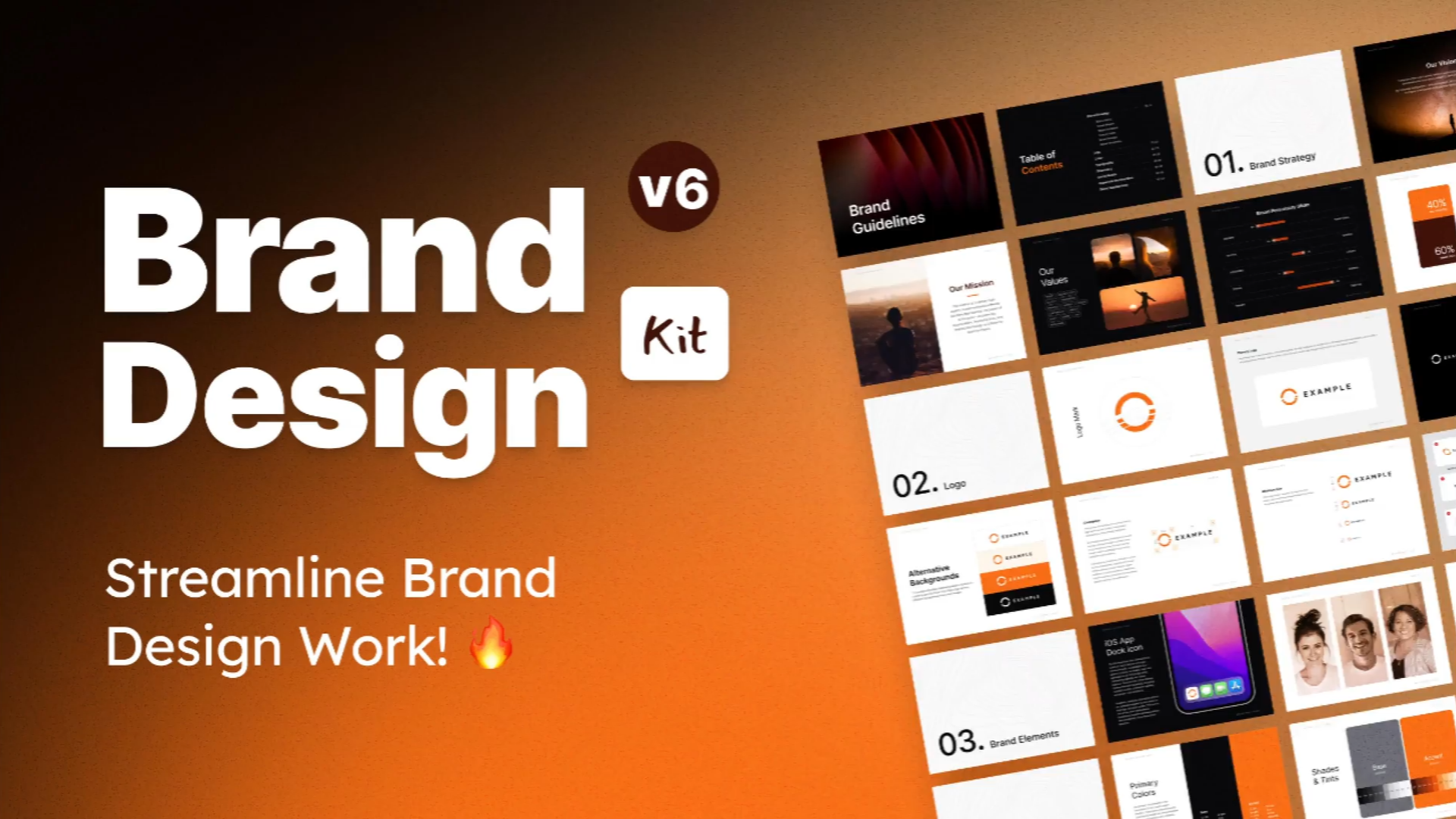
At minimum, a startup brand kit should include: all logo files in multiple formats (SVG, PNG, white version, dark version, horizontal and stacked), the defined colour palette with HEX, RGB, and CMYK values, typography specifications with download links for web fonts, voice and tone guidelines with example sentences, a set of icon or graphic assets, social media post templates, and one or two example use cases showing correct and incorrect brand application.
Hosting and Distributing Your Brand Kit
Store your brand kit in a shared Google Drive or Notion workspace that all team members can access. Link it in your company Slack or Teams as a pinned resource. Include a one-paragraph introduction explaining why brand consistency matters and how to use the kit. For larger teams, consider a tool like Brandfolder or Frontify that allows more structured brand asset management.
Setting Up Canva Brand Templates
For startups using Canva, setting up a brand kit within Canva Pro allows every team member to access your colours, fonts, and logo directly within the design tool, and to use pre-made templates for social posts, pitch decks, and presentations. This is the single most effective way to democratise brand consistency across a non-design team.
Maintaining the Brand Kit Over Time
Assign one person — typically the marketing lead or CMO — as the brand kit owner. When the brand evolves, they update the kit and communicate the changes to the team. Run a quarterly brand audit: pull ten random pieces of content produced in the last 90 days and check them against the brand kit. Any systematic deviations should prompt an update to either the content or the guidelines.